The Largest Prospective Trial for HIFU as a
Primary and Salvage Treatment of Prostate Cancer
NCT#04307056 | Sponsored by AFU
The Prospective Non-inferiority Comparative Clinical Trial
of Prostate Cancer Treatments
ClinicalTrials.com NCT#04307056
Sponsored by AFU
Salvage High-intensity Focused Ultrasound for Prostate Cancer Recurrence after Radiotherapy
- HIFI-2 is the largest prospective multi-center study ever conducted evaluating the functional outcome of the treatment of radio-recurrent prostate cancer.
- 531 prospective patients treated with HIFU across 32 centers.
- The study provided evidence of high oncologic control with low side effects.
Salvage High-intensity Focused Ultrasound for Prostate Cancer Recurrence after Radiotherapy
- HIFI-2 is the largest prospective multi-center study ever conducted evaluating the functional outcome of the treatment of radio-recurrent prostate cancer.
- 531 prospective patients treated with HIFU across 32 centers.
- The study provided evidence of high oncologic control with low side effects.
High Oncologic Control
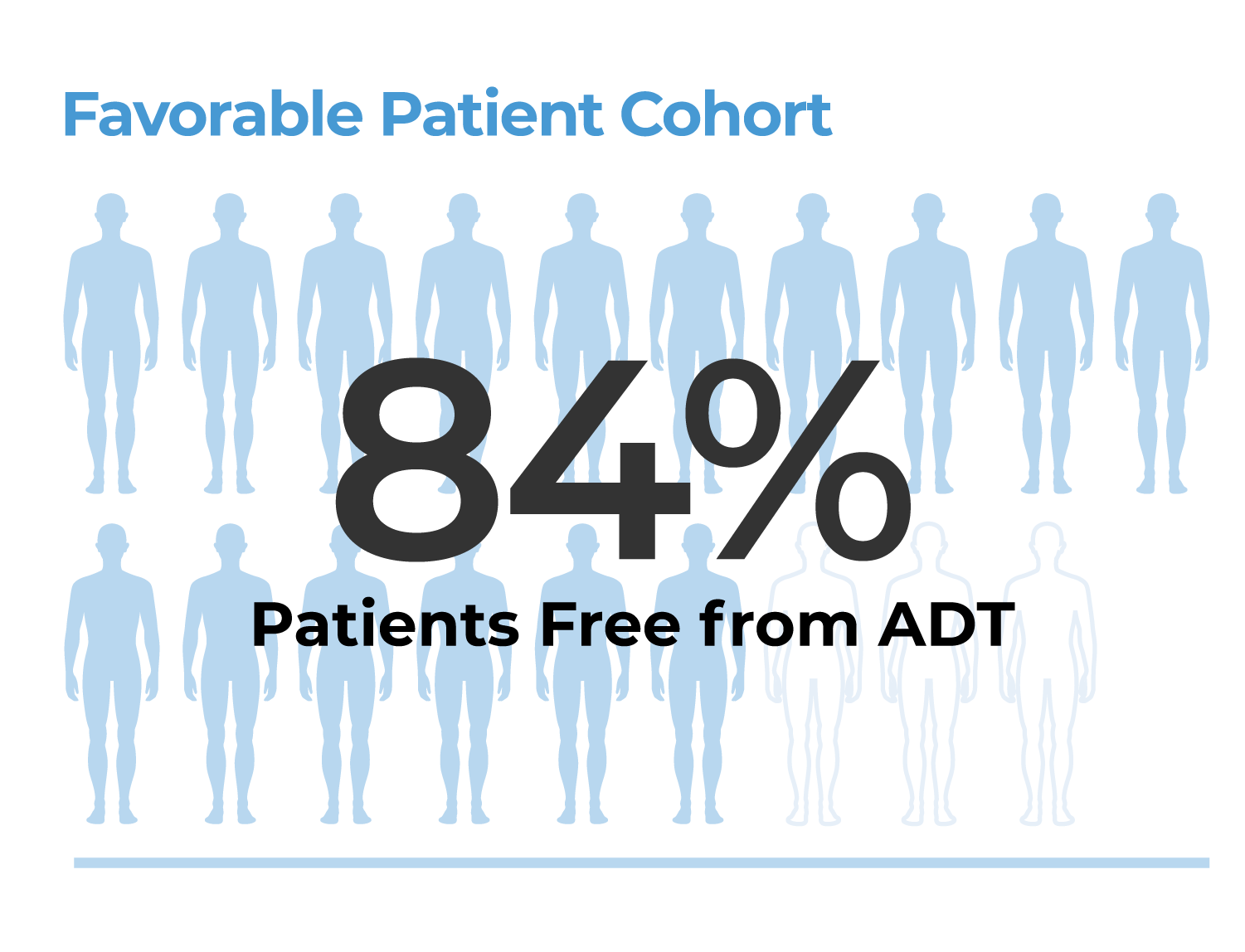
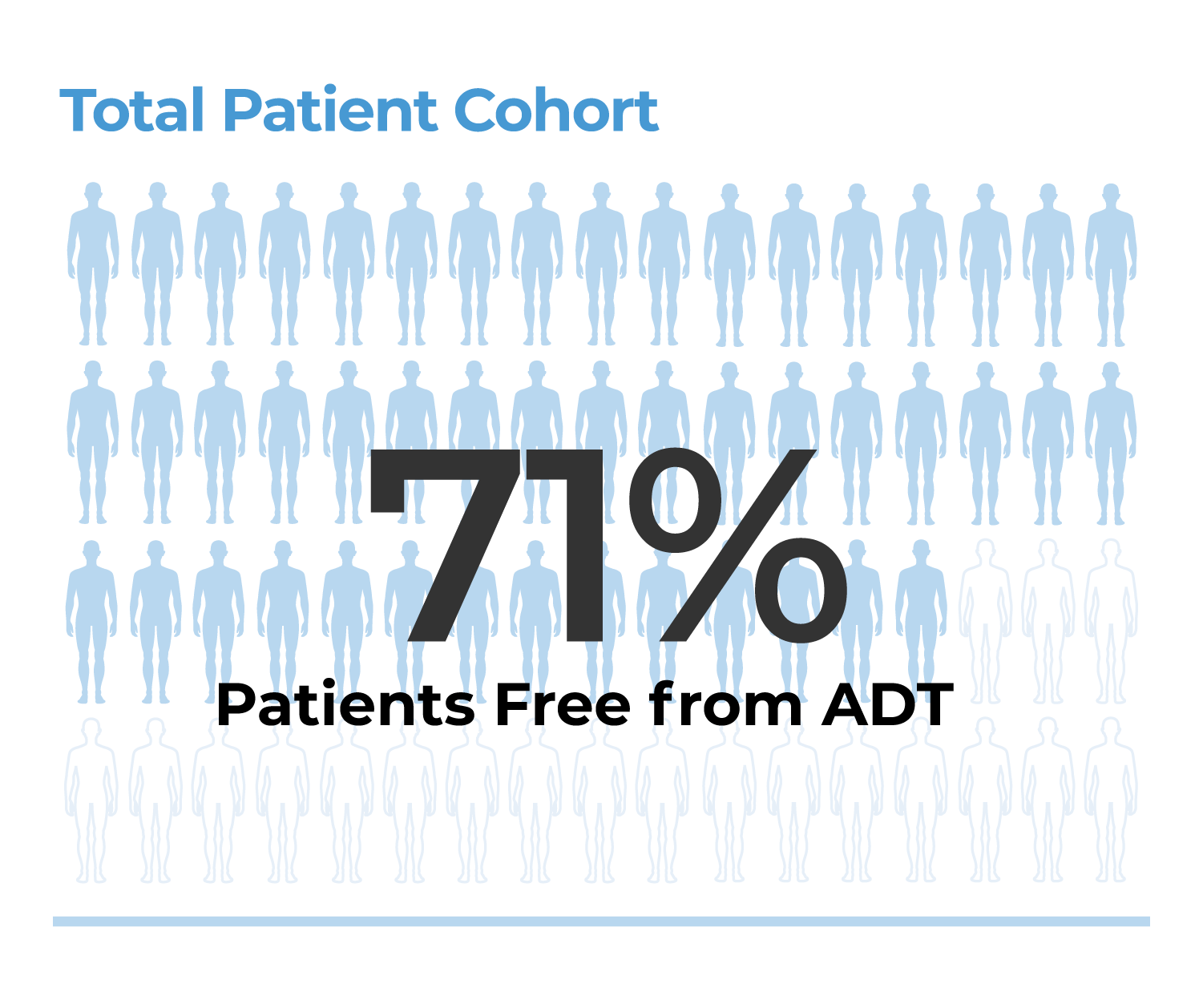
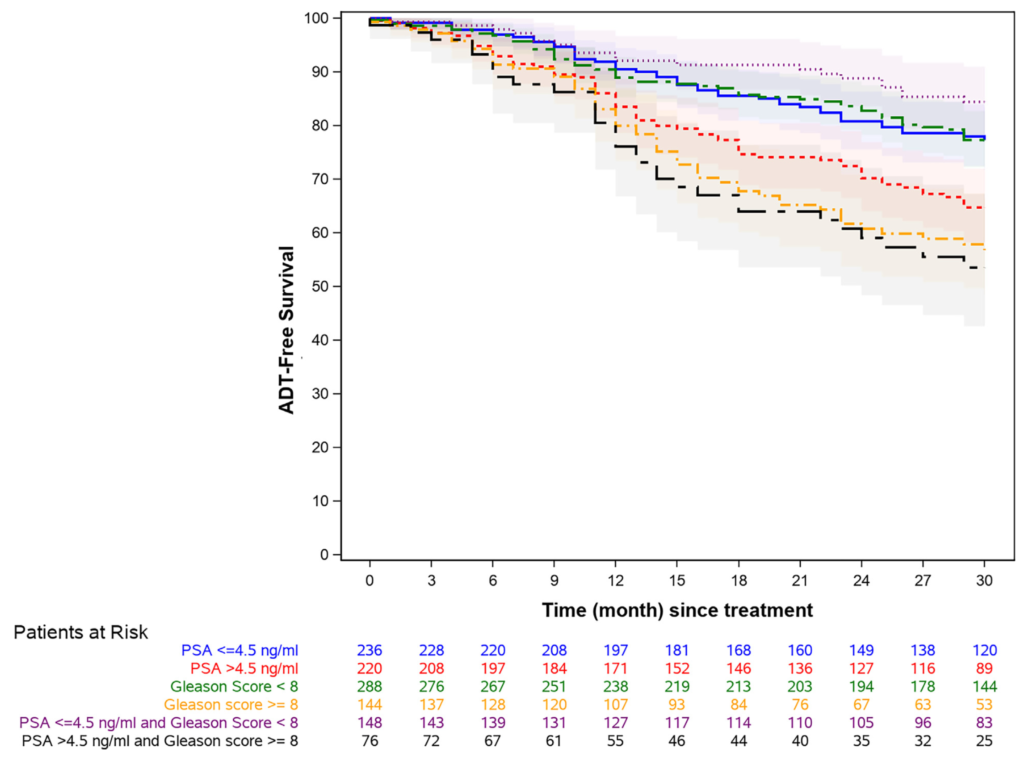
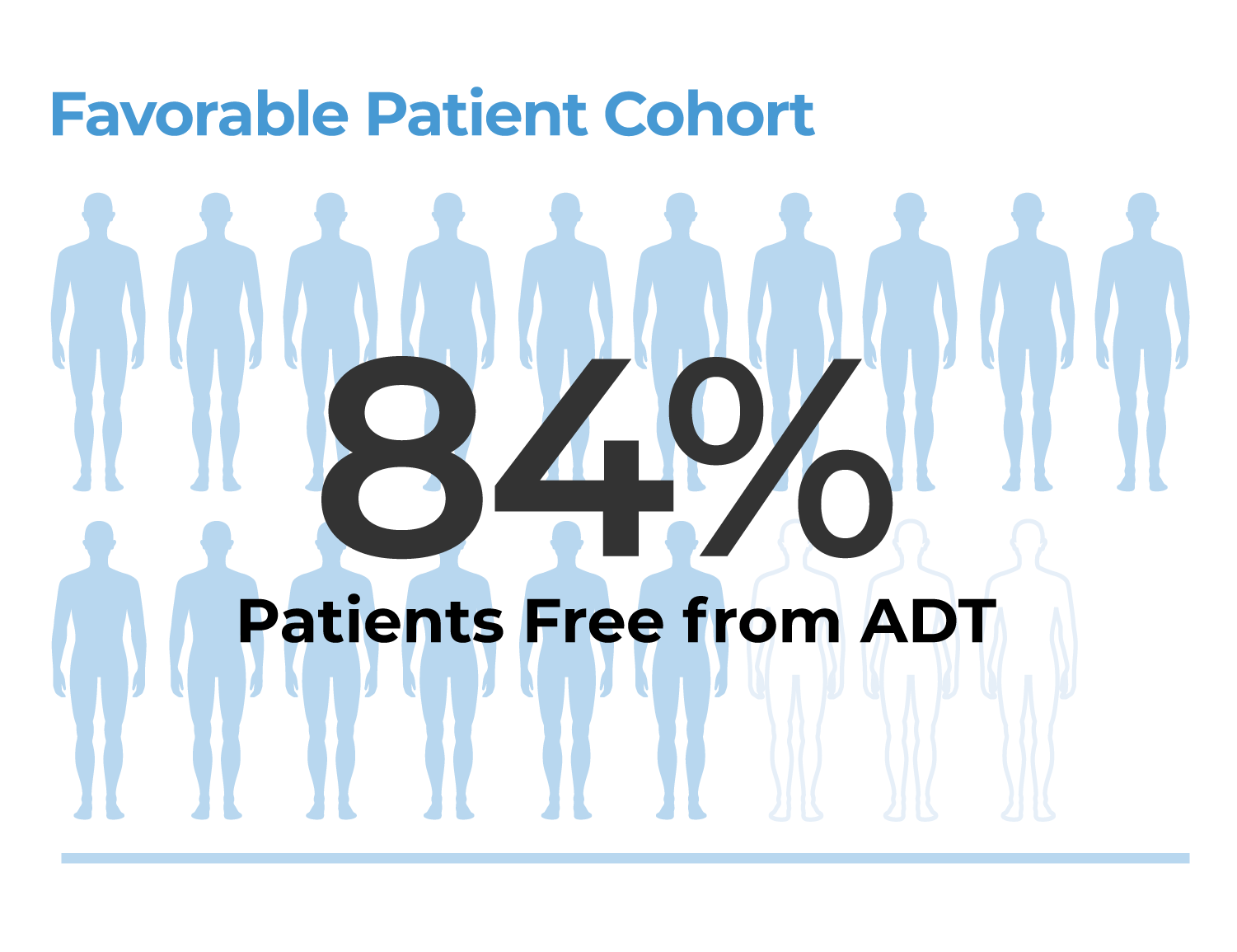
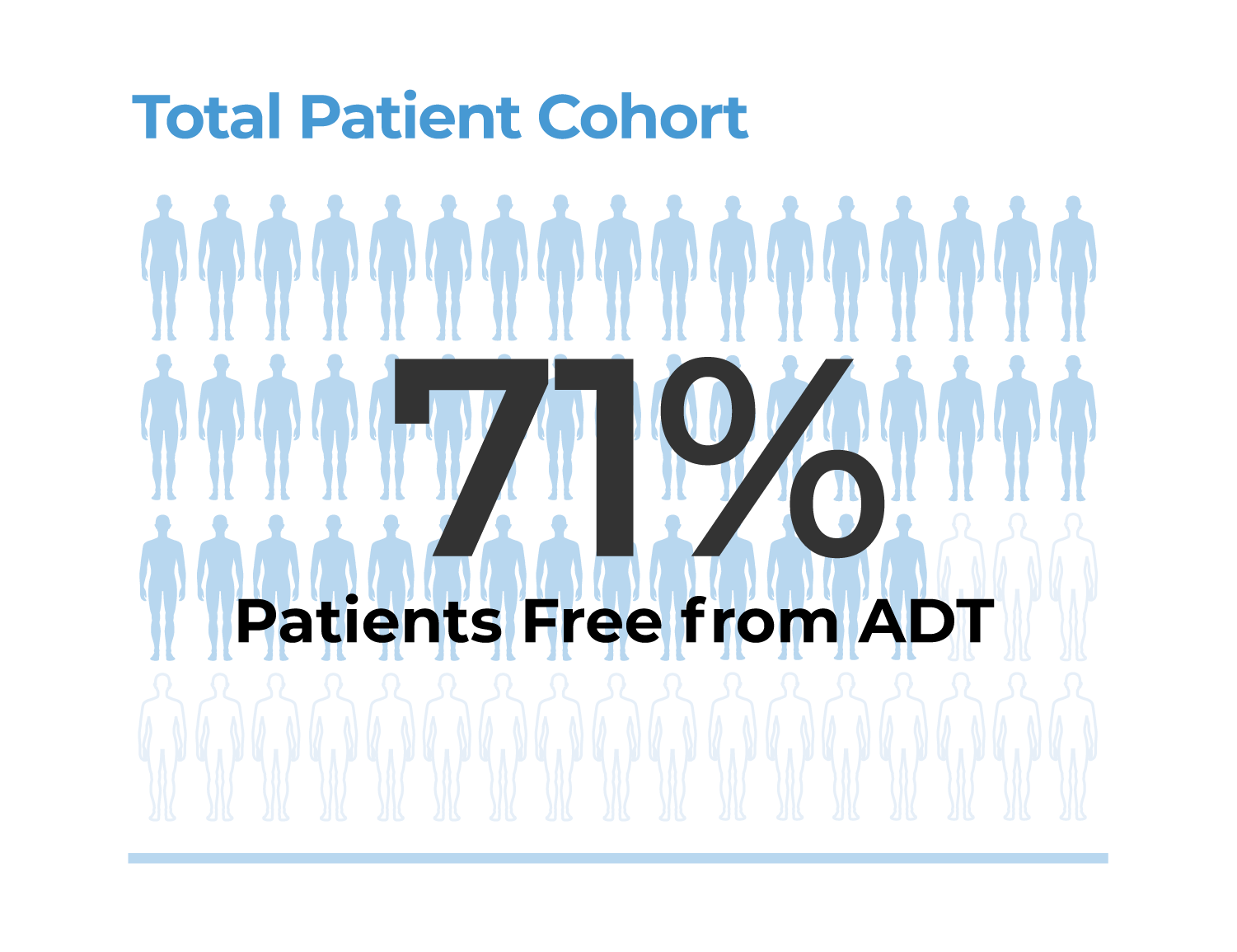
High Androgen Deprivation Therapy-Free Survival at 30 months (Primary Endpoint)
High Oncologic Control
High Androgen Deprivation Therapy-Free Survival at 30 months (Primary Endpoint)
Patients with pre-S-HIFU PSA ≤ 4.5 ng/ml and GG ≤ 3 (148 patients)
All patients in the study (531 patients)
(148 patients)
All patients in the study (531 patients)
Prostate Cancer Control
Primary Endpoint: Androgen Deprivation Therapy-Free Survival (ADT-FS) at 30 months
The primary endpoint was the occurrence of Androgen Deprivation Therapy (ADT) as a third line treatment. Events were defined as initiation of ADT, which was decided in cases of confirmed biochemical failure (nadir + 2 ng/ml), and/or regional or distant metastases.
Prostate Cancer Control
Primary Endpoint: Androgen Deprivation Therapy-Free Survival (ADT-FS) at 30 months
The primary endpoint was the occurrence of Androgen Deprivation Therapy (ADT) as a third line treatment. Events were defined as initiation of ADT, which was decided in cases of confirmed biochemical failure (nadir + 2 ng/ml), and/or regional or distant metastases.
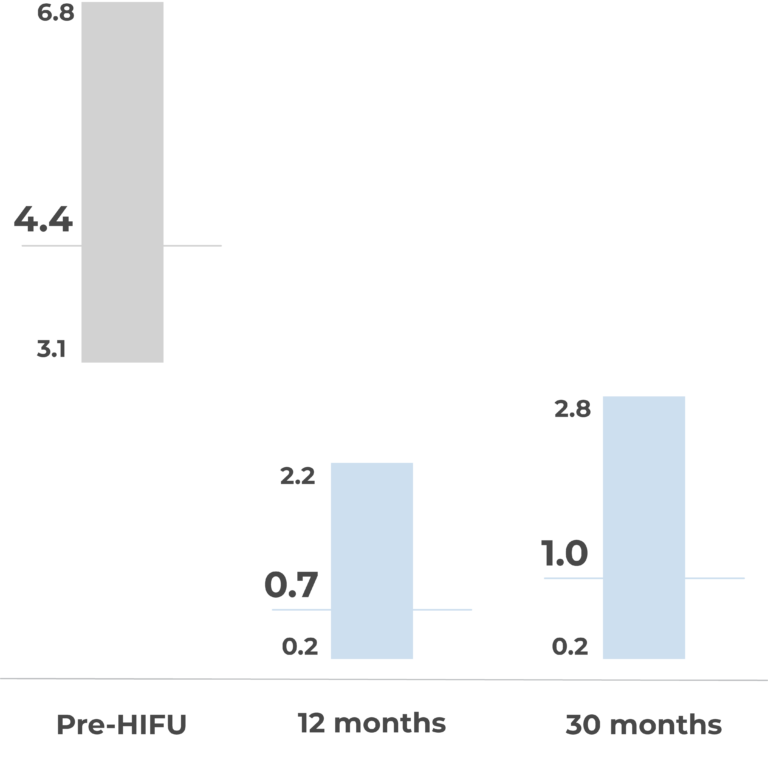
High Rate of Biochemical Success
Fast and Stable PSA Response
High Rate of
Biochemical Success
Fast and Stable PSA Response
Functional Outcomes
Favorable Urinary Continence and Quality of Life Preservation (Secondary Endpoints)
Functional Outcomes
Favorable Urinary Continence and Quality of Life Preservation
(Secondary Endpoints)
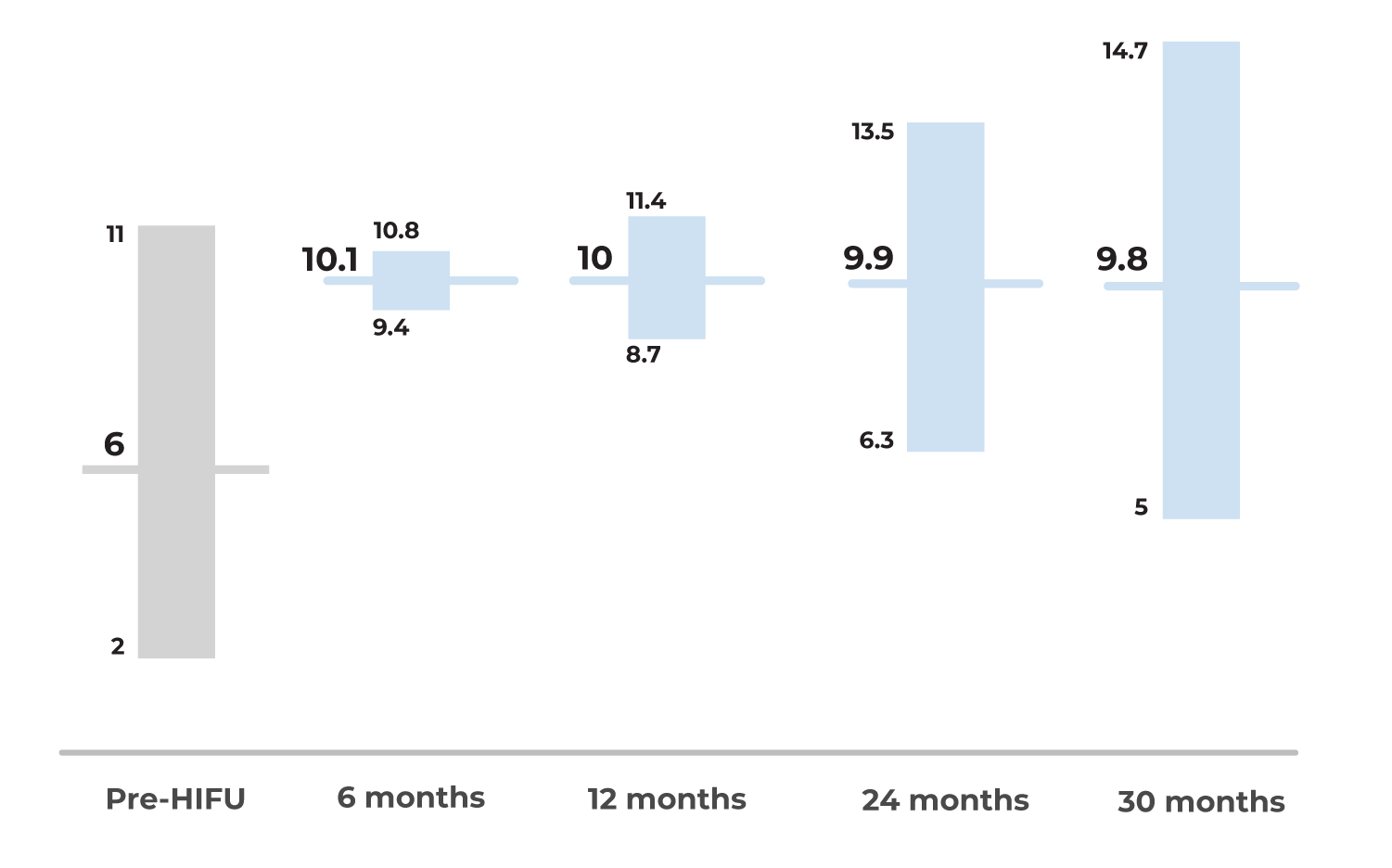
Urinary Symptoms
International Prostate Symptom Score (IPSS)
URINARY SYMPTOMS
Patient-reported outcomes remained stable over time. Rates of stress urinary incontinence assessed using the ICS Questionnaire did not significantly change over time (p = 0.6). In multivariate mixed-effects analysis, baseline urinary incontinence status was significantly associated with post-treatment incontinence (p < 0.001). After adjustment for baseline status, approximately 75% of patients remained continent at 30 months.Quality of Life
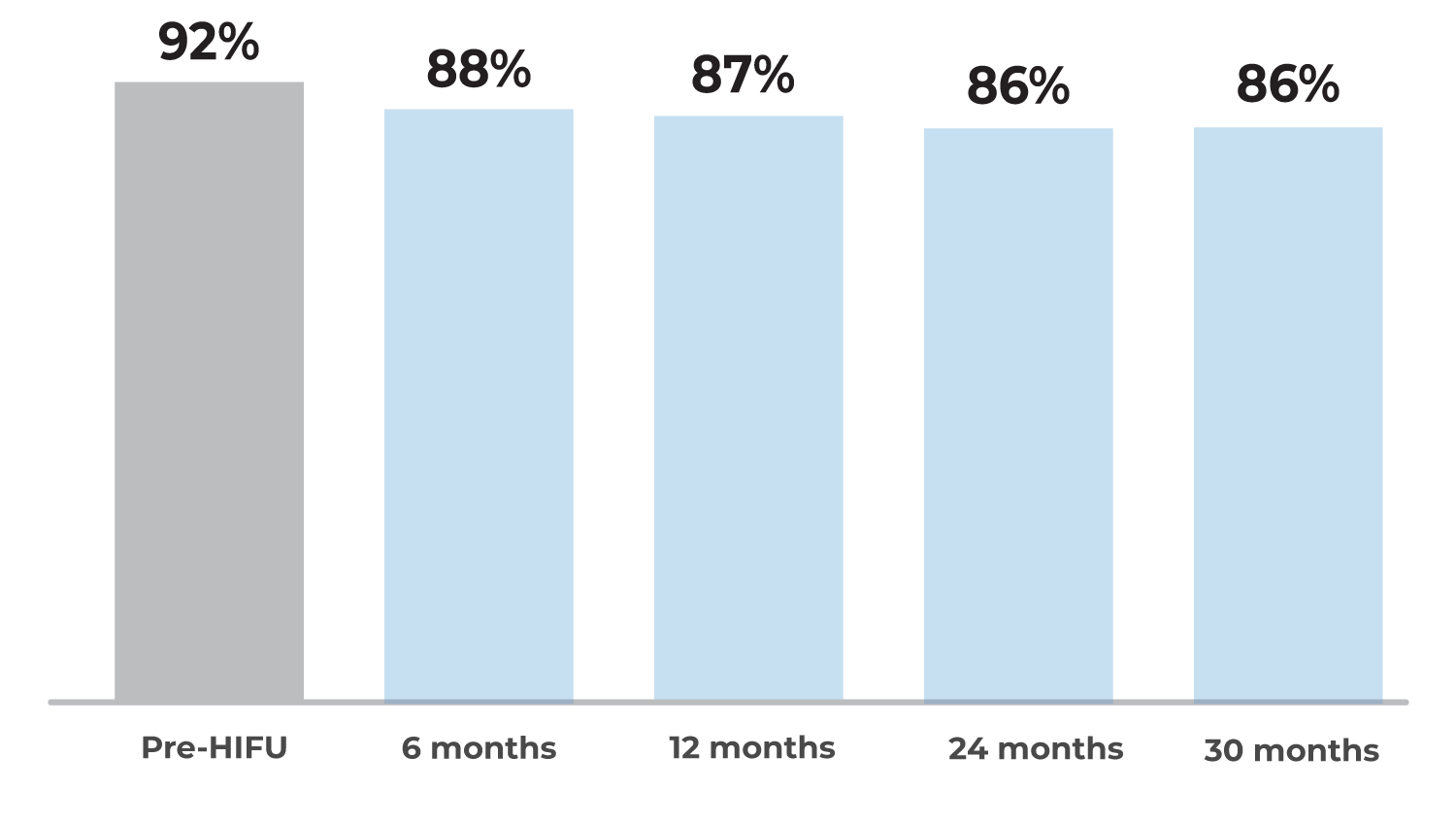
European Organisation for Research and Treatment of Cancer
Quality of Life Questionnaire – Core 30 (EORTC QLQ-C30)
QUALITY OF LIFE
The health-related quality of life assessed by the EORTC QLQC30 showed no deterioration based on the median score at 12 months up to 30 months.Urinary Symptoms
International Prostate Symptom Score (IPSS)
URINARY SYMPTOMS
Patient-reported outcomes remained stable over time. Rates of stress urinary incontinence assessed using the ICS Questionnaire did not significantly change over time (p = 0.6). In multivariate mixed-effects analysis, baseline urinary incontinence status was significantly associated with post-treatment incontinence (p < 0.001). After adjustment for baseline
status, approximately 75% of patients remained continent at 30 months.
Quality of Life
European Organisation for Research and Treatment of Cancer Quality of Life Questionnaire – Core 30 (EORTC QLQ-C30)
QUALITY OF LIFE
The health-related quality of life assessed by the EORTC QLQC30 showed no deterioration based on the median score at 12 months up to 30 months.“This large prospective trial demonstrates good oncologic and functional outcomes after S-HIFU for treating local prostate cancer recurrence after Radiation Therapy.” – HIFI-2 Study Authors.
“This large prospective trial demonstrates good oncologic and functional outcomes after S-HIFU for treating local prostate cancer recurrence after Radiation Therapy. ” – HIFI-2 Authors
Study Design
Study Design
This prospective study was carried out in France at 41 academic and non-academic centers (NCT04307056). The HIFI-2 protocol was designed in 2014 and included patients eligible for salvage HIFU (S-HIFU): patients with a PSA level above post-RT nadir +2 ng/ml; biopsy-confirmed intraprostatic recurrence after primary RT for initially localized, low- to high-risk PCa; and no regional or distant metastases on conventional imaging (including at least bone scan and conventional tomography). All S-HIFU cases were consecutive and exhaustive. No second session of S-HIFU was allowed.
PATIENT INCLUSION CRITERIA
The patient inclusion criteria was defined following the 2014 recommendations from the National Prostate Cancer Committee:
– Localized, low- to intermediate risk PCa
– Clinical Stage T1-2 NxM0
– Prostate Specific Antigen (PSA) dosage < 15 ng/mL
– Gleason score ≤ 3 + 4 (Grade Group 1 or 2)
– Not eligible for active surveillance (AS)
– Maximum of 4 invaded sextants out of 6 on biopsies performed following multiparametric MRI (mpMRI)
– HIFU was restricted to patients over 69 years old with at least a 5-year life expectancy
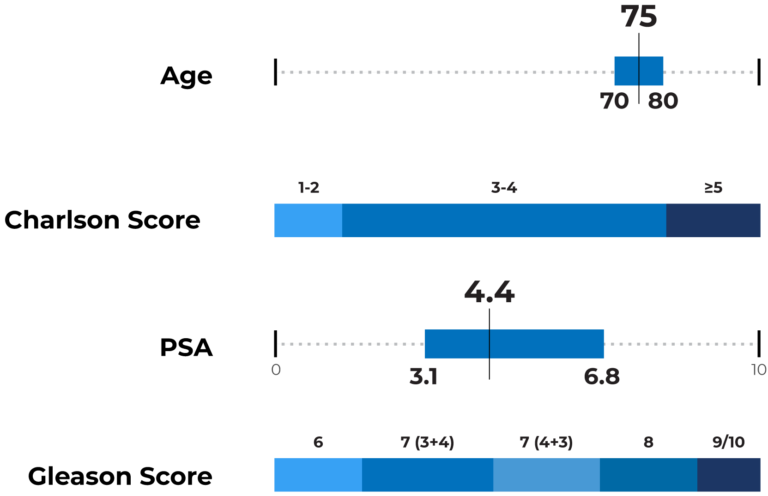
Patient Characteristics
Baseline disease characteristics are balanced between the two groups
Patient Characteristics
“This large prospective multicenter study demonstrates that salvage HIFU can achieve clinically meaningful oncologic control while maintaining an acceptable safety profile in patients with localized recurrence after radiotherapy. In a setting where treatment options offering curative intent remain elusive and often come with significant morbidity, these results are particularly meaningful. Combined with the growing body of clinical evidence, this study further supports HIFU’s transition toward becoming a standard of care for appropriately selected patients.”
– Dr. Guillaume Ploussard, MD
“This large prospective multicenter study demonstrates that salvage HIFU can achieve clinically meaningful oncologic control while maintaining an acceptable safety profile in patients with localized recurrence after radiotherapy. In a setting where treatment options offering curative intent remain elusive and often come with significant morbidity, these results are particularly meaningful. Combined with the growing body of clinical evidence, this study further supports HIFU’s transition toward becoming a standard of care for appropriately selected patients.”
– Dr. Guillaume Ploussard, MD
HIFI-2 Conclusion
- This large, nationwide, prospective study shows good oncologic control and an acceptable safety profile after salvage HIFU for treating PCa recurrence after RT.
- Complication rates are acceptable, with few major events requiring reinterventions.
- The predictive importance of pre-procedure PSA on cancer control highlights the need for earlier detection of recurrence in patients eligible for local salvage treatment.
HIFI-2 Conclusion
- This large, nationwide, prospective study shows good oncologic control and an acceptable safety profile after salvage HIFU for treating PCa recurrence after RT.
- Complication rates are acceptable, with few major events requiring reinterventions.
- The predictive importance of pre-procedure PSA on cancer control highlights the need for earlier detection of recurrence in patients eligible for local salvage treatment.